By Tina Irgang Leaderman
How itineraries, local voices, maps and seasonal experiences can make a guide more useful to travelers.
A visitor guide is your chance to introduce potential visitors to your destination and everything you have to offer. But with so many potential destinations to choose from, how do you get (and hold) the audience’s attention — especially when the sites that make your location attractive might not change much from year to year?
Here’s the thing: just listing the museums, parks and historical places that people should visit is probably not going to cut it. What you need is a concept that’s visually compelling, useful in format, and makes use of local voices to tell the story of what makes your town, city or region special.
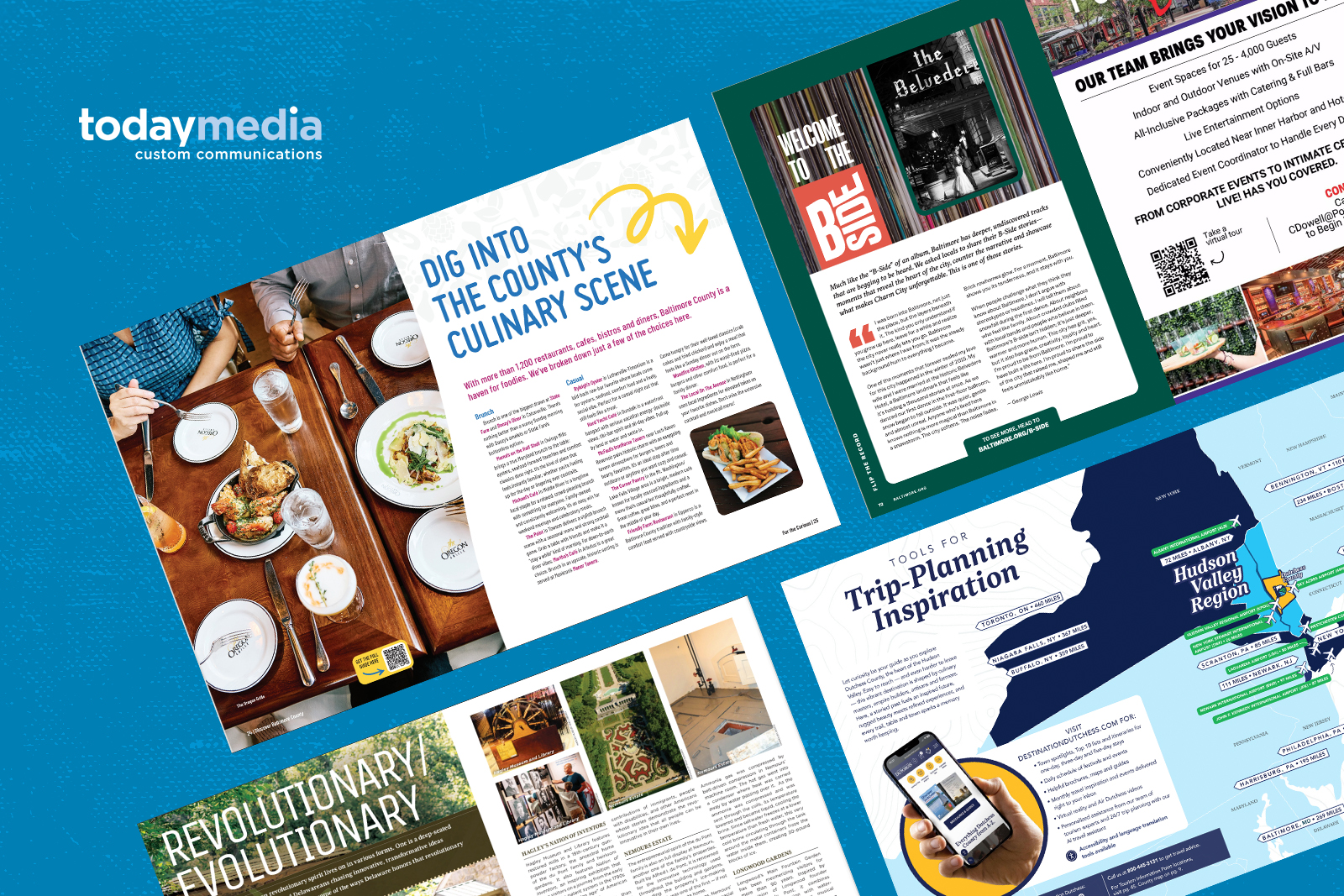
To supercharge your 2027 guide, look at these examples from publications produced by Today Media Custom Communications:
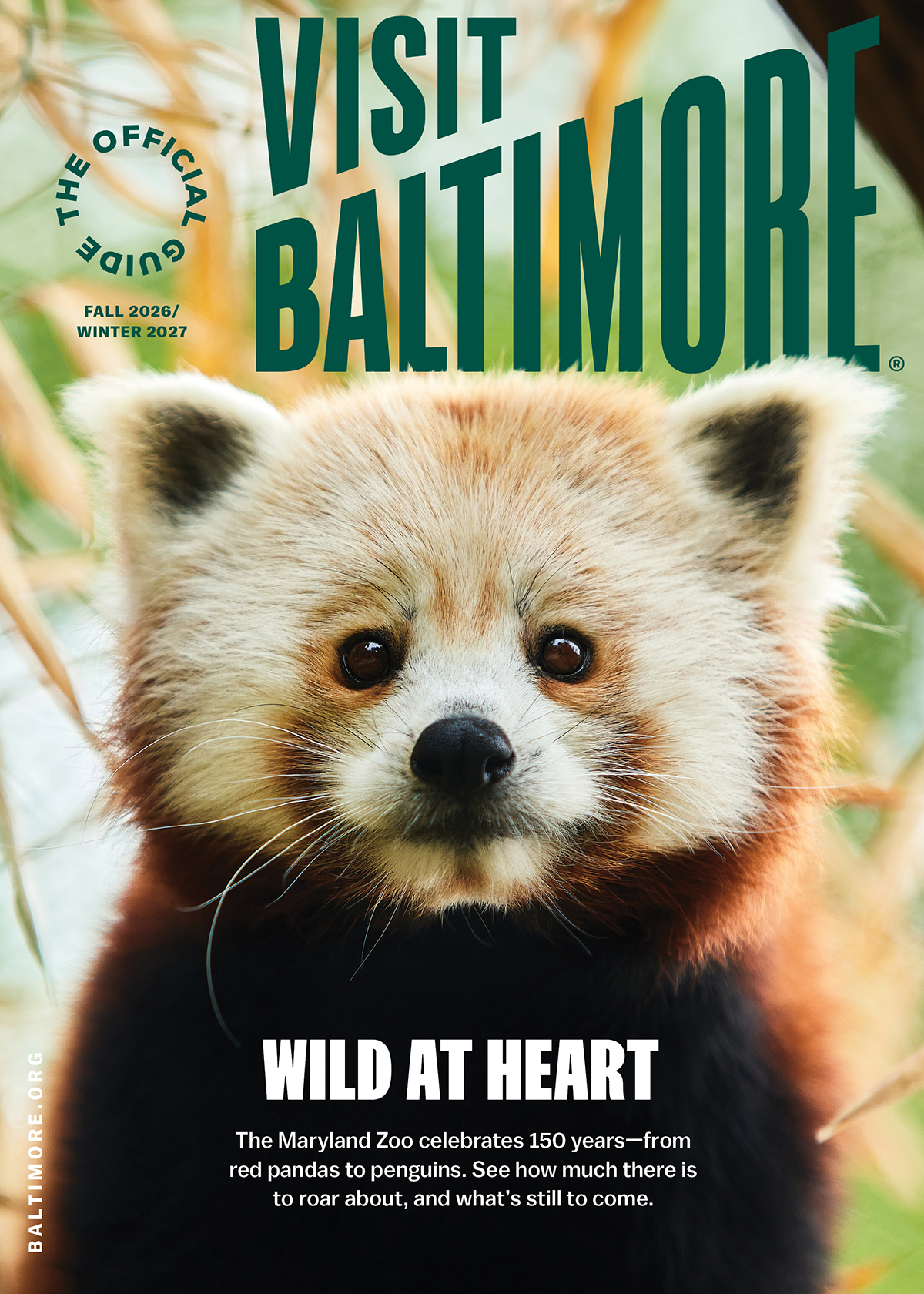
1 | Visit Baltimore: Leaning Into Local Voices
The Fall/Winter 2026/27 guide for Visit Baltimore is a prime example of how local voices can help you tell your destination’s story. The “B-side” feature on page 72 highlights a specific Baltimorean’s love for and memories of the city, celebrating not just the historic property where this local got married, but also the things he cherishes about his hometown, such as the thriving arts and music scene. There’s nothing more powerful than a testimonial like this one, especially when it’s supported by features that highlight those same aspects of your destination.
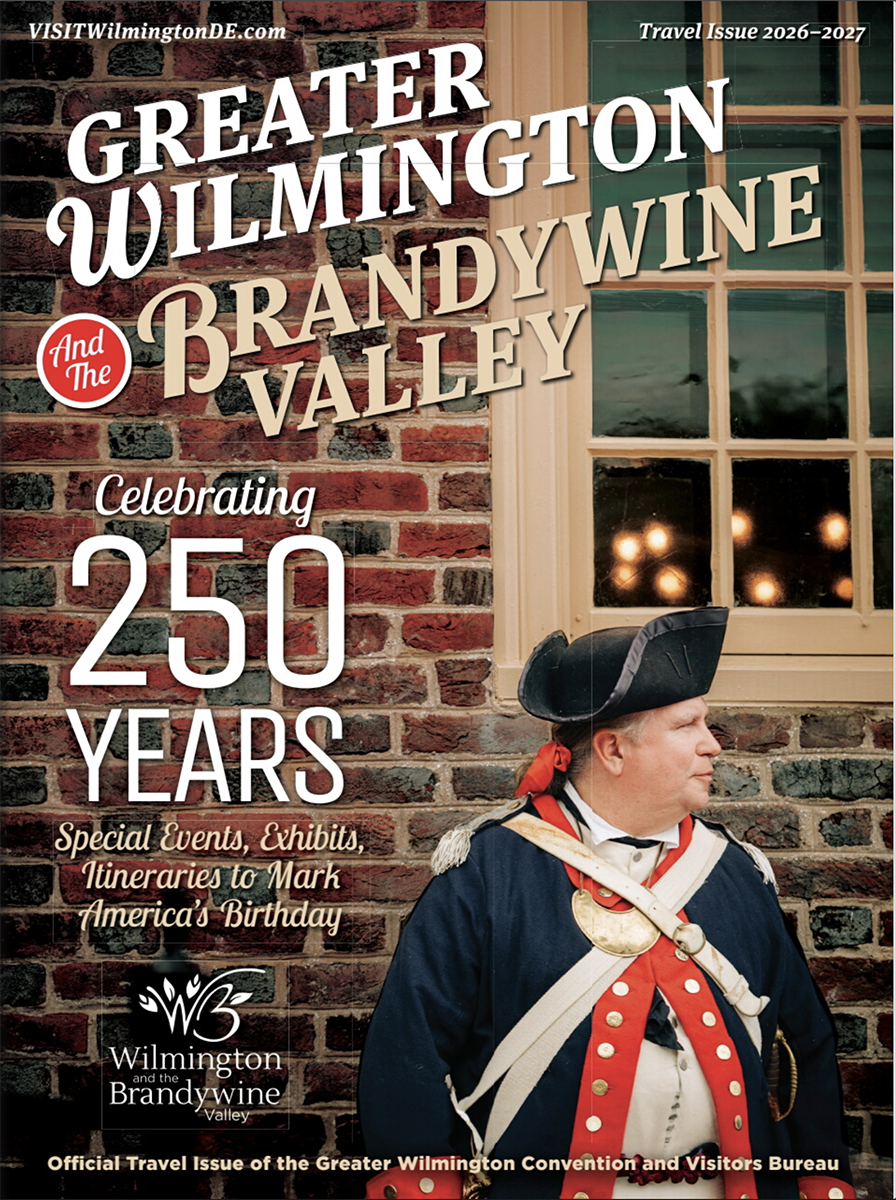
2 | Greater Wilmington: The Spirit, Not the Letter
Instead of listing attractions by category (history, dining, shopping, etc.), think about what your attractions tell people about your destination. The 2026 visitor guide to Wilmington and the Brandywine Valley in Delaware does this masterfully with its “Revolutionary/Evolutionary” feature. In honor of America’s 250th birthday, this feature reflects on how the revolutionary spirit lived on in the Brandywine Valley’s entrepreneurship and innovation — embodied, for example, by the du Pont family of industrialists and the present-day Nation of Inventors exhibit, which highlights models of inventions created for patent applications.
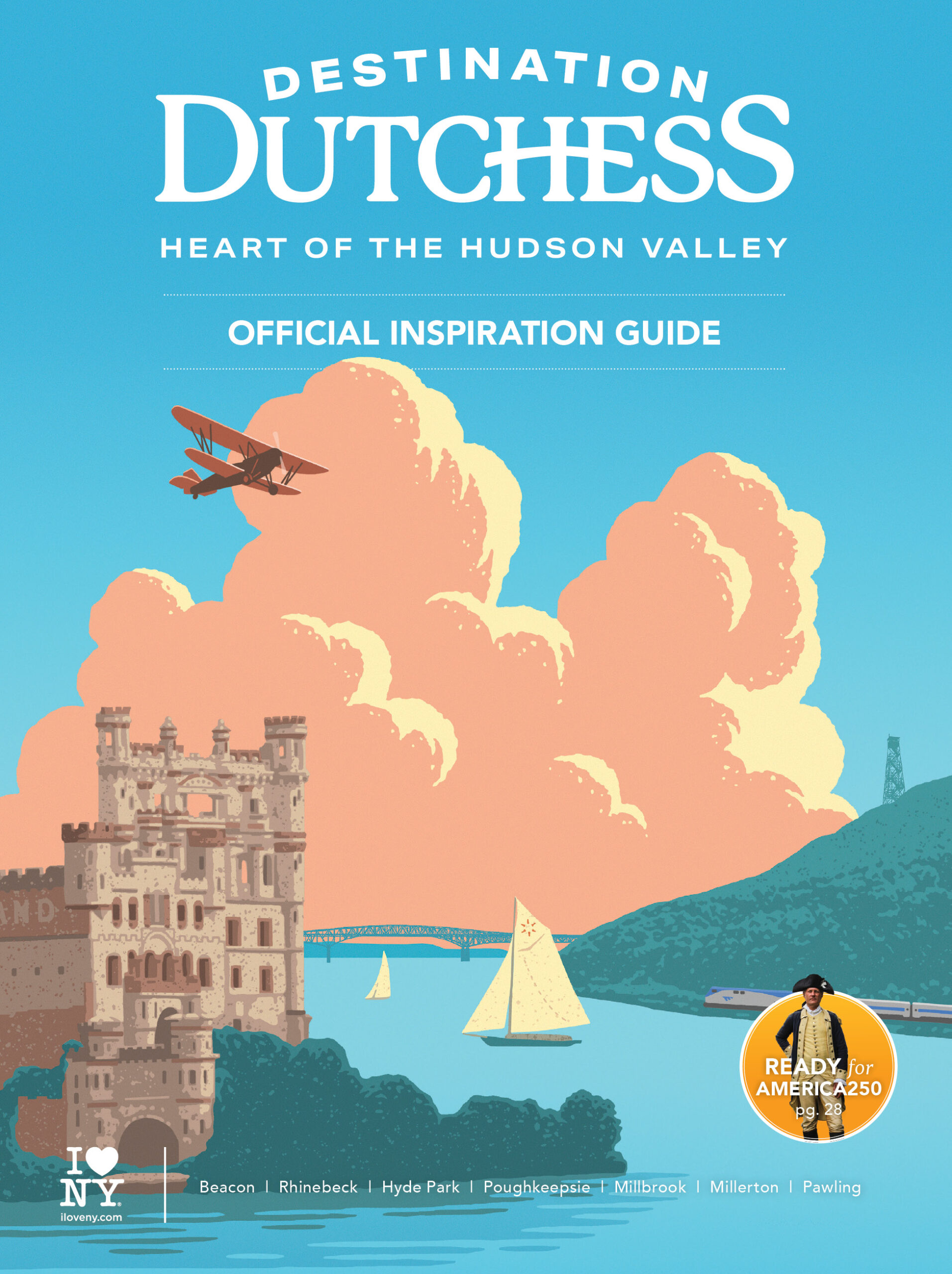
3 | Destination Dutchess: A Map Worth 1,000 Words
The destination guide for Dutchess County, NY opens with a locator map that shows distances to major regional cities and airports, while also offering quick bulleted information on digital trip-planning resources. All the information a traveler needs to start with, neatly condensed into two pages. For those who want to delve deeper, each of the county’s four regions has its own section in the guide, which opens with a more detailed map and a list of attractions sorted into the categories “must see,” “hidden gem” and “local favorites” for visitor convenience.
4 | Baltimore County: Centering the Visitor Experience
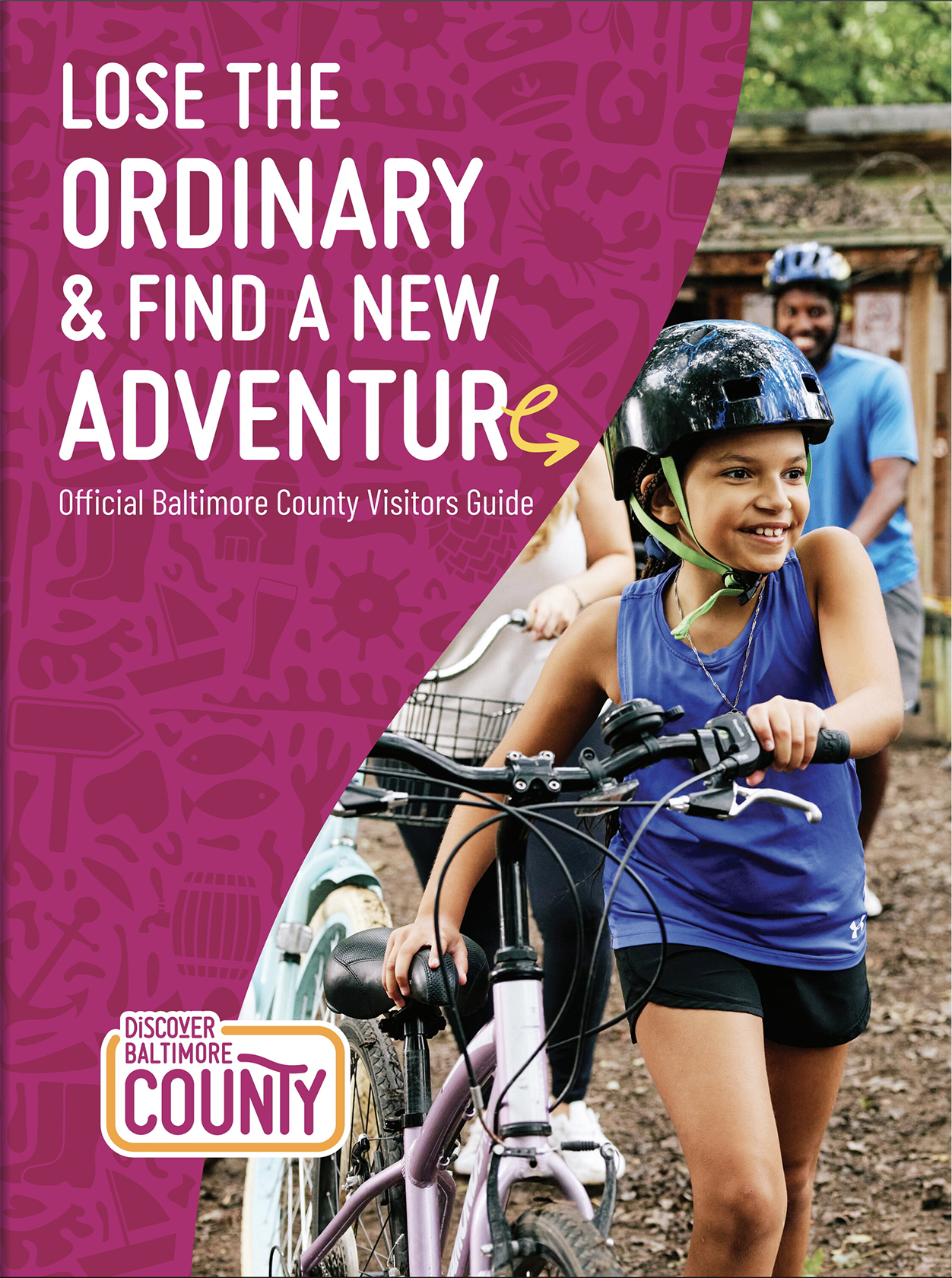
Consider how visitors might want to experience your destination and create itineraries based on that experience. For example, the visitor guide for Baltimore County, Maryland, closes with a quick and easy feature on locations that will look great on a social media feed. The guide’s culinary feature, rather than simply listing restaurants, centers the dining experience (e.g. casual vs. fine dining) and gives visitors plenty of information to pick the best fit for them.
Need more guidance on your next visitor guide? The experts at Today Media Custom Communications are here to help! Reach out to us at newbusiness@todaymediacustom.com to start the conversation.